 Skip to content
Sports massage therapy is targeted RMT care for people whose muscles and joints are affected by training, sport, physical work or repetitive activity.
At Excelsior Integrative near Yonge & Eglinton, treatment is tailored to your activity, symptoms and goals. You might be managing post-training soreness, recurring tightness, restricted mobility or a return to activity after an injury. The session is adapted to how your body presents that day rather than following a generic athletic routine.
Sports massage is provided by Registered Massage Therapists and is billed as massage therapy.
What is Sports Massage Therapy?
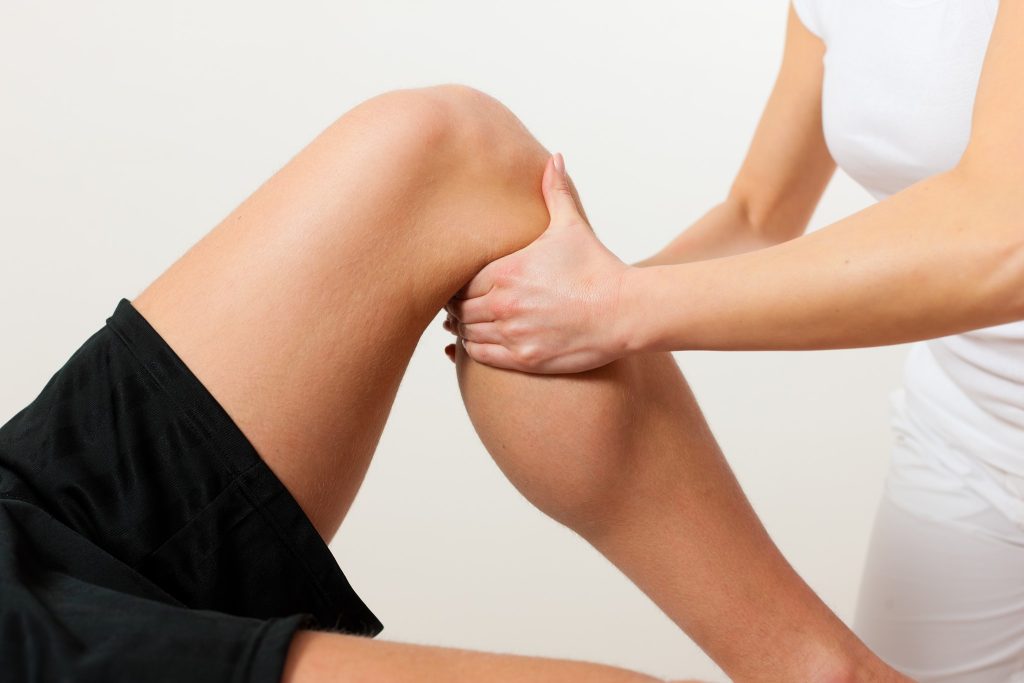
Sports massage is a goal-focused approach to massage therapy. It considers the physical demands placed on your body, the areas carrying the greatest load and where tension or restricted movement may be interfering with comfort or recovery.
Depending on your needs, treatment may include Swedish massage techniques, deeper pressure, myofascial techniques, trigger point work, joint mobilization, compression or assisted stretching. Pressure does not need to be intense to be effective. Your RMT will adjust the approach based on your comfort, treatment goals and response.
Who Is Sports Massage For?
You do not need to be a competitive athlete to book a sports massage. It may be appropriate for:
• Runners, cyclists, swimmers and triathletes
• Weightlifters, CrossFit participants and strength athletes
• Dancers, martial artists and recreational sports participants
• People with physically demanding jobs
• Active adults managing recurring muscle tension or post-training soreness
• People returning to exercise after an injury, when massage is appropriate within their broader recovery plan
Common reasons for booking include:
• Tight calves, hips or shoulders
• Soreness following increased training
• Repetitive strain or reduced mobility
• Muscular tension that makes activity or recovery less comfortable
Sports massage does not replace medical assessment or active rehabilitation when those services are needed. New injuries, significant swelling, loss of function or severe pain should be assessed appropriately.
Want to improve recovery between workouts? Here are the most effective strategies.
What Happens During a Sports Massage Appointment?
Your appointment begins with a brief discussion of your concerns, activity level, training schedule, relevant health history and goals. Assessment and treatment are included within the time booked.
Your RMT may look at movement, range of motion or tenderness before deciding where to focus. Treatment may concentrate on one region or several connected areas. Your therapist will check in about pressure and comfort throughout the session; pain is not the goal.
When useful, your RMT may suggest simple mobility work, stretching or self-care that fits your activity and recovery needs.
Common Goals of Sports Massage
✔ Managing post-training soreness:
Massage may help reduce the perception of delayed-onset muscle soreness and make stiff or overworked areas feel more comfortable. It can be used alongside other recovery strategies between workouts.
✔ Addressing recurring tension:
Treatment can focus on the tissues most affected by your sport, work or training pattern. When the concern follows an injury or persistent overuse, massage may be one part of a broader sports injury recovery plan.
✔ Supporting mobility:
Sports massage may provide a modest short-term improvement in flexibility or range of motion for some people. When usable range is the main concern, Functional Range Release may also be considered.
✔ Staying comfortable during a training cycle:
Some clients book periodically to manage recurring soreness or tension while their bodies adapt to training demands. Timing can be adjusted based on where massage fits within your training cycle.
Massage does not remove toxins, instantly repair exercise-related tissue changes, guarantee injury prevention or directly improve athletic performance. It is one possible part of a broader recovery plan that also includes appropriate rest, nutrition, sleep and load management.
Timing Sports Massage Around Training and Competition
The timing and intensity of treatment should reflect what you are doing next.
During Regular Training
A focused session may be useful on a recovery day. If you usually feel tender after deeper treatment, allow enough time before your next demanding workout.
Before an Event (3 Days Or Less)
Avoid unfamiliar or very intense treatment immediately before an important event. A lighter, familiar approach may be more appropriate close to competition. Tell your RMT exactly when you are competing.
After Training or Competition
Treatment can be adapted for normal post-exercise soreness and fatigue. Sharp pain, significant swelling, suspected injury or difficulty bearing weight requires appropriate assessment. If you are unsure what happened, understanding the difference between a sprain and a strain can help you decide what type of care to seek.
Between Events
Between competitions, treatment can be more focused or corrective when there is adequate recovery time before the next event. Deeper or unfamiliar work should generally be avoided during the three days leading up to a competition, particularly if it tends to cause post-treatment soreness. The goal is to prevent soreness from interfering with the athlete’s focus, comfort or

performance. Closer to competition, a lighter and more familiar treatment approach may be more appropriate.
Sports Massage vs. Deep Tissue Massage
Sports massage and deep tissue massage can overlap, but they are not identical:
Sports massage is defined mainly by the goal and context of treatment. It considers your activity, training demands, timing and the tissues being repeatedly loaded. Pressure may range from light to deep.
Deep tissue massage describes an approach that uses slower, more focused pressure to address persistent muscular tension or areas that feel dense and restricted. It is not necessarily sport-specific.
Your RMT can help determine whether sports massage, deep tissue massage or a blended approach makes the most sense. Our detailed sports massage versus deep tissue comparison explains the differences further.
When Another Service May Be Appropriate
Athletic Therapy may be appropriate when you need active rehabilitation, strengthening, movement retraining or a structured return-to-sport plan.
Deep Tissue Massage may be a better primary booking when your main concern is long-standing muscular tension rather than training or event-related needs.
Depending on your goals and the RMT you book with, massage may also be offered in a dedicated session with another technique:
-
Dry Needling: An acupuncture-authorized RMT may use needling to address selected areas of muscular tension within a dedicated massage therapy session.
-
Cupping Therapy: Traditional or smart dynamic cupping may be incorporated to provide a different type of tissue input when suitable.
-
Heated IASTM: Heated instruments may be used for focused soft-tissue work when a more targeted approach is appropriate.
-
Red Light Therapy: Some appointments combine massage therapy with red light therapy as a separate recovery-focused session.
-
Functional Range Release: FR may be considered when movement restrictions and usable range are central concerns.
These approaches are not automatically necessary. Recommendations should reflect your presentation, preferences and the services available with your chosen RMT.
What Does the Research Say?
The evidence for sports massage is more modest than some marketing claims suggest.
A 2020 systematic review and meta-analysis found no evidence that sports massage directly improves strength, sprinting, jumping, endurance or fatigue. It did find small potential benefits for flexibility and delayed-onset muscle soreness.
That makes sports massage most appropriately framed as a tool for soreness, comfort, mobility and recovery preferences—not as a guaranteed way to prevent injury or improve performance.
For a plain-language discussion of the findings and limitations, read what research says about sports massage and recovery.
Frequently Asked Questions
You Might Also Like
Sports Massage at Yonge & Eglinton
Excelsior Integrative is an RMT-owned clinic near Yonge & Eglinton in Midtown Toronto. Our Registered Massage Therapists provide individualized sports massage for competitive athletes, recreationally active clients and people managing the physical demands of work or exercise.
Massage therapy receipts are issued under the treating RMT’s registration information and may be eligible for reimbursement through extended health benefits. Coverage depends on your individual plan, so check your policy when needed.
We offer weekday, evening and weekend appointments. Treatment style varies by practitioner, so review our RMT profiles or contact the clinic if you are unsure whom to book.
Book your session today and give your body the recovery it deserves.