 Skip to content

A hard tempo run can leave your calves feeling dense, your hips restricted, and your stride just a little less efficient the next day. That is usually the point when runners start asking whether sports massage is actually useful, or just one more recovery trend dressed up in athletic tape.
The honest answer is that sports massage for runners can be very helpful, but only when it is used for the right reason, at the right time, and with a treatment plan that matches how you train.
For runners, massage should not be treated as a generic add-on. It is a clinically guided tool that can help manage load, reduce excessive muscle tone, improve tolerance to training, and support recovery from overuse patterns. It is not a substitute for proper programming, strength work, sleep, footwear considerations, or medical assessment when symptoms point to injury. But in the right context, it can make running feel smoother and help small issues stop snowballing.
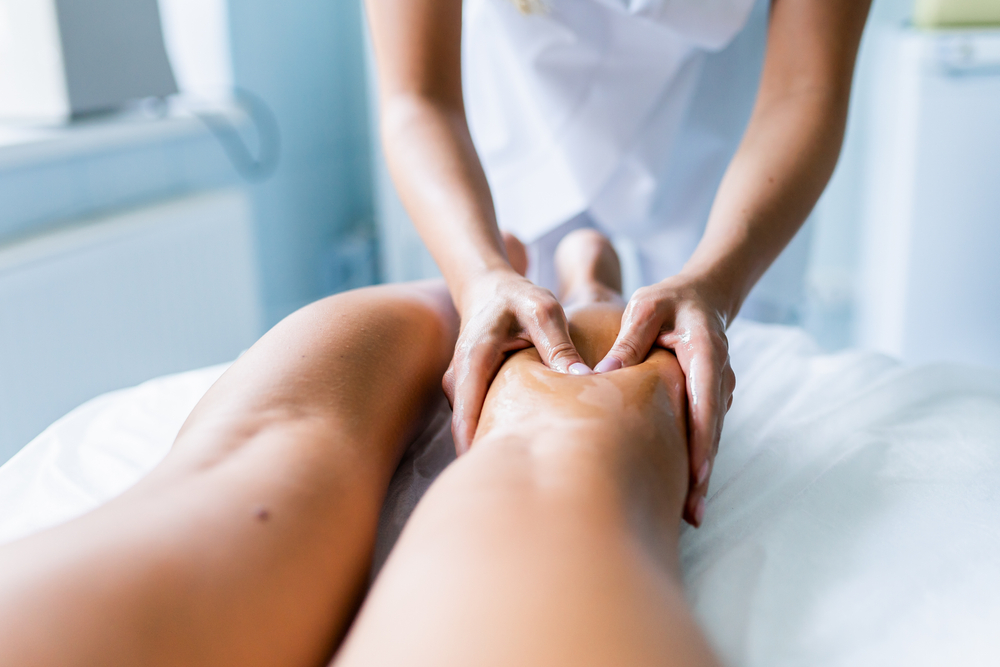
What Sports Massage for Runners Is Really For
Sports massage for runners is not simply deeper pressure applied to sore legs. A skilled practitioner looks at how tissues are responding to training volume, pace demands, footwear changes, hills, gym work, recovery habits, and even daily posture.
The goal is not to “break up” tissue or force the body into change. The goal is to influence tension, improve local circulation, reduce guarding, and help the body move with less restriction.
For one runner, that may mean focused work through the calves and soleus after a block of speed training. For another, the priority may be hip rotators, adductors, or the thoracolumbar region because trunk stiffness is changing stride mechanics. This is why individualized treatment matters. Two runners can report the same symptom, such as tight hamstrings, and need very different care.
A clinically driven approach also considers whether massage is the best fit at all. If pain is sharp, worsening, associated with swelling, changing your gait, waking you at night, or causing sudden loss of function, the issue may need a different level of assessment before manual therapy is used.
When Massage Helps Runners Most
Massage tends to be most useful in the gray zone between “I feel fine” and “I am clearly injured.” Many runners spend a lot of time there. They are still training, but they are carrying fatigue, noticing stiffness, and feeling like certain areas do not fully settle between runs.
That is often where treatment can be most productive.
Runners often benefit from massage when they are dealing with recurring calf tightness, heavy quads after increased mileage, glute tension affecting hip extension, or upper body stiffness that makes arm swing and posture feel less efficient. It can also help after races or demanding long runs when tissue irritability is elevated but there is no sign of serious injury.
That said, more pressure does not mean better results. If a session leaves you limping for two days, it was probably too aggressive for your current training demands. Good treatment should create change without unnecessarily increasing soreness or disrupting your next key workout.
Recovery Support Versus Performance Support
Recovery-focused massage and performance-focused massage are related, but they are not exactly the same thing.
Recovery-focused massage is often used after a race, after a hard training block, or during periods of cumulative fatigue. The emphasis is usually on reducing tone, improving comfort, and helping the nervous system settle.
Performance-oriented treatment is more targeted. It may be used to address movement restrictions, recurring loading patterns, or specific areas that are affecting stride quality and run tolerance.
Some runners need both. A marathoner in peak training may need broad recovery support one week and more precise work around the hips or lower leg the next. It depends on what the body is doing, not just what is on the calendar.
What Sports Massage Cannot Do
This is where expectations matter.
Massage therapy does not correct every biomechanical issue. It does not heal a bone stress injury. It does not replace progressive strength training for tendon capacity. And it does not mean you can ignore training errors because someone worked on your calves.
It also should not be sold as a cure-all for “scar tissue” or poor running form. Manual therapy can reduce restrictions that may be contributing to altered movement, but lasting change usually requires a combination of treatment, exercise, and smarter load management.
This is where athletic therapy can also be useful, especially when a runner needs a more active rehab plan. If the issue keeps coming back, athletic therapy can help assess strength, mobility, gait-related loading patterns, and exercise progression so the underlying contributors are addressed more directly.
That does not make massage less valuable. It makes it more useful when it is framed properly. The best results usually come when massage is part of a larger plan rather than a stand-alone fix.
A 2020 systematic review and meta-analysis found no direct improvement in strength, sprinting, endurance or fatigue, although massage was associated with small improvements in flexibility and delayed-onset muscle soreness.
Timing Sports Massage Around Running and Race Training
Timing makes a real difference.
A deep, aggressive session the day before a race is usually not a smart choice. Even if the treatment is technically well done, the body may feel flat, sore, or less coordinated afterward. On the other hand, a lighter, focused session before an event may help some runners feel looser and more prepared.
After hard efforts, massage can be helpful once acute irritation is settling and the goal is to support recovery rather than push tissue. During base training, treatment can be scheduled more flexibly to stay ahead of recurring tightness. During peak training or race week, the margin for error is smaller, so intensity and scope often need to be adjusted.
If you are preparing for an event, tell your practitioner exactly where you are in your training cycle. A runner three days out from a half marathon should not be treated the same way as a runner in week four of an off-season strength phase.
How Often Should Runners Get Massage?
There is no single correct schedule. Frequency depends on mileage, injury history, tissue irritability, work stress, sleep, and how your body responds to treatment.
Some runners do well with occasional sessions during heavy training blocks. Others benefit from more regular care when managing persistent restrictions or recovering from a previous overuse issue.
A useful question is not “How often should everyone go?” but “What frequency helps me maintain training without chasing symptoms?”
For some runners, that may be every few weeks during heavier training. For others, it may be more situational, such as before a race build, after a demanding event, or when familiar tightness starts to return.
What a Good Sports Massage Session Should Feel Like
A strong clinical session starts with assessment, not assumptions.
Your practitioner should ask about your training volume, recent changes, race goals, pain behaviour, and what your legs feel like during and after runs. They should also consider non-running variables such as desk posture, recovery habits, previous injuries, and how your body responds to pressure.
Treatment itself may include a mix of broad and targeted techniques depending on the goal. Some areas may need slower, deeper work while others may respond better to lighter pressure, positional release, fascial techniques, cupping therapy, Functional Range Release, or dry needling. The approach should reflect the runner’s symptoms, goals and tolerance.
At Excelsior Integrative, that treatment logic matters. The aim is not to deliver a preset “runner’s massage” routine. It is to respond to what your body is presenting with that day and adjust care in real time.
You should leave with a sense of what was treated, why it was treated, and what to expect afterward. Sometimes the result is immediate ease of movement. Sometimes it is subtle at first and shows up on your next run when your stride feels less restricted.
Common Areas of Focus for Runners
The lower leg gets a lot of attention for obvious reasons, but not every running issue starts in the calf or foot.
Calves and Achilles-adjacent tissues often become overloaded with speed work, hills, or sudden mileage increases. Quads and hip flexors may become more restricted during high-volume training or when a runner also spends long hours sitting. Gluteal and deep hip tissues can become relevant when pelvic control is poor or stride length starts to feel limited.
For runners who carry deeper, more stubborn tension through the quads, glutes, hamstrings, or calves, deep tissue massage may be useful when it is applied with the right pressure and timing. The goal is not to crush the tissue into submission, but to work specifically enough to reduce restriction without creating unnecessary soreness that interferes with training.
The hamstrings, adductors, and low back may also contribute to how efficient or heavy a run feels. Even upper body tension can matter more than runners expect, especially when fatigue changes posture late in longer efforts.
A good practitioner does not just chase the sore spot. They look for the chain of contributors.
When Runners Should Pause and Get Assessed
Massage is most useful when the issue is appropriate for massage.
If your pain is focal, sharp, rapidly worsening, or changing how you bear weight, that calls for more careful evaluation. The same is true if symptoms keep returning despite treatment, or if soreness has crossed over into a clear loss of performance and function.
This is especially relevant for runners trying to train through what they hope is “just tightness.” Persistent tightness is sometimes protective muscle guarding around an underlying problem. If treatment brings only brief relief and the same pattern returns run after run, the plan may need to shift toward fuller assessment and active rehab.
Frequently Asked Questions About Sports Massage for Runners
You Might Also Like
Sports Massage for Runners Near Yonge and Eglinton
If you run regularly and keep dealing with recurring tightness, heavy legs, hip restriction, or training-related soreness, sports massage can be a useful part of your recovery plan.
At Excelsior Integrative Massage Therapy and Wellness, our registered massage therapists work with runners, active adults, recreational athletes, and people managing training-related tension or overuse patterns. Treatment is tailored to your body, your mileage, your goals, and what you need to do next, whether that is a long run, a race, a strength session, or simply getting through the week without feeling like your calves are made of concrete.
We are located near Yonge and Eglinton in Midtown Toronto and offer sports massage therapy, deep tissue massage, Functional Range Release, cupping therapy, red light therapy, and other integrative treatment options that may be included when appropriate.