 Skip to content
Myofascial pain syndrome (MPS) is a persistent musculoskeletal pain condition associated with sensitive areas in muscle commonly called myofascial trigger points. The pain may stay close to the irritated area or be felt somewhere else through a referred pain pattern. It can affect movement, sleep, work, training and everyday comfort.
MPS is often described as a problem of stubborn muscle “knots,” but the clinical picture is more complicated than one tight spot that simply needs to be pressed harder. There is no single imaging test or universally accepted diagnostic standard for MPS, and other conditions can produce similar symptoms. Management is therefore commonly based on careful assessment and may combine symptom relief with appropriate movement, load management and medical care when needed.
What Is Myofascial Pain Syndrome?
Myofascial pain syndrome involves ongoing pain arising from muscle and its surrounding connective tissues. A commonly recognized feature is a tender or irritable point within a taut band of muscle. Pressure on that area may reproduce familiar local pain or send discomfort to another region.
For example, an irritable area in the upper trapezius may contribute to pain around the neck, temple or head, while gluteal trigger points can produce pain that spreads through the hip or thigh. These patterns help clinicians understand the symptoms, but they do not replace a complete assessment—especially when pain is persistent, severe or accompanied by neurological or systemic symptoms.
Researchers continue to investigate how local tissue sensitivity, the nervous system, sleep, stress, loading and other biological or psychosocial factors interact in myofascial pain. A 2025 clinical review describes MPS as a complex condition with several proposed mechanisms rather than one universally proven “stuck muscle fibre” explanation.
What Does Myofascial Pain Feel Like?
People often describe myofascial pain as a deep ache, pressure, tightness or burning discomfort that is difficult to settle. The symptoms may fluctuate with activity, sustained positions, stress, sleep and recovery.
Common features can include:
- Localized muscle pain or tenderness
- A sensitive spot that reproduces familiar pain when pressed
- Referred pain felt away from the sensitive area
- Stiffness or reduced comfortable range of motion
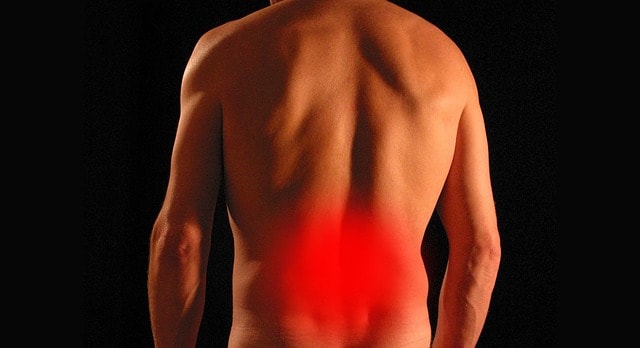
- A feeling of weakness, fatigue or guarding in the affected region
- Pain that interferes with sleep, work, exercise or daily activities
Not every tender muscle is myofascial pain syndrome. Temporary soreness after unfamiliar activity, a recent strain, nerve-related pain and joint or tendon conditions can all feel muscular at first. The pattern, duration and accompanying symptoms matter.
Myofascial Pain Syndrome vs. Fibromyalgia
Myofascial pain syndrome and fibromyalgia are not the same condition, although a person can experience features of both.
| Myofascial pain syndrome | Fibromyalgia |
|---|---|
| More regional or localized | Usually involves widespread pain |
| Commonly associated with specific tender or trigger point-pain patterns | Commonly associated with widespread sensitivity |
| May reproduce local or referred pain when a specific area is examined | Often includes broader fatigue, sleep and cognitive symptoms |
| Treatment is directed to the painful region and contributing factors | Management generally requires a broader whole-person approach |
Because chronic pain conditions can overlap, widespread or unexplained symptoms should be discussed with a physician or nurse practitioner rather than self-diagnosed from a trigger-point chart.
What Causes Myofascial Pain Syndrome?
There is rarely one tidy cause. Myofascial pain may develop or persist through a combination of tissue loading, pain sensitivity, recovery and health factors. Possible contributors include repetitive or unfamiliar activity, a sudden strain, prolonged static positions, guarding after an injury, changes in training load, reduced sleep and ongoing stress.
This does not mean that posture, stress or one “inactive” muscle automatically caused the problem. Those factors may be relevant for one person and incidental for another. A useful assessment looks at what reproduces the symptoms, what activities have changed, how the area responds to movement and whether another condition needs to be ruled out.
How Is Myofascial Pain Syndrome Assessed?
Assessment usually begins with the history of the pain: where it started, whether it travels, what aggravates or eases it, how long it has been present and whether it is affecting strength, sensation, sleep or general health. A physical examination may include comfortable range of motion, resisted movement, palpation, neurological screening and observation of how the person moves.
Tenderness, referred pain and a local twitch response are among the most frequently used trigger-point findings, but research shows substantial variation in how these criteria are applied. A systematic review of diagnostic criteria found no single consistent combination used across studies.
A Registered Massage Therapist can assess soft-tissue tenderness, movement, symptom behaviour and whether massage therapy is appropriate within the RMT scope of practice. An RMT does not replace medical investigation. Persistent, unexplained or concerning symptoms may require assessment by a physician or nurse practitioner to rule out neurological, inflammatory, vascular or other medical causes.
Myofascial Pain Syndrome Treatment: What May Help?
There is no single best treatment for every case of myofascial pain syndrome. Current reviews generally support a multimodal plan chosen according to the painful region, contributing factors, symptom irritability and the person’s preferences. That plan may combine education, graded movement, manual therapy, needling techniques or medical care.
Movement, Exercise and Load Management
Movement is often an important part of treatment, but more is not always better. The goal is to maintain or gradually restore comfortable motion and capacity without repeatedly provoking a flare-up.
Depending on the presentation, this may involve temporarily modifying an aggravating activity, breaking up long static positions, restoring range of motion and progressively rebuilding strength or endurance. An Athletic Therapist can help when the problem is closely tied to training, injury rehabilitation, movement confidence or return to activity.
Massage Therapy and Manual Treatment

Massage therapy may help reduce pain sensitivity, ease protective muscle tension and improve comfortable movement in some people. Treatment can include slower myofascial techniques, broad soft-tissue work, trigger-point approaches, stretching or joint movement selected according to the assessment and the person’s tolerance.
The useful dose is not automatically the deepest pressure possible. Aggressively chasing every tender point can irritate an already sensitive area. Some people respond better to gradual, tolerable treatment combined with movement between appointments. A 2024 meta-analysis found modest pain benefits from myofascial release for chronic neck pain, while also emphasizing the need for better standardized research.
When deeper pressure is appropriate, an RMT may incorporate elements of deep tissue massage. Our guide to myofascial release versus deep tissue massage explains how the pace, pressure and treatment focus can differ.
Dry Needling, Medical Acupuncture and Electroacupuncture
Needling may be considered when symptoms are associated with clearly identified trigger points or when manual treatment alone has not provided enough relief. Research suggests that dry needling can reduce pain and pain-related disability in some regional myofascial pain presentations, particularly over the short term, but it is not universally effective or required for recovery.
At Excelsior Integrative, options include Massage Therapy + Dry Needling, Medical Acupuncture and Massage Therapy + Electroacupuncture. These approaches are offered only when clinically appropriate, within the practitioner’s training and scope, and with informed consent.

Osteopathy
Osteopathy may be considered when someone prefers a broader manual assessment of mobility and related musculoskeletal restrictions. Treatment is individualized and may use gentle soft-tissue or joint-based techniques. It should be presented as one possible component of symptom management—not as a guaranteed method of correcting alignment or eliminating the source of chronic pain.
Cupping Therapy
Cupping therapy changes the mechanical and sensory input applied to the skin and superficial tissues. Some people find it comfortable when direct compression feels too intense. It may be incorporated as an adjunct to massage, but it is not necessary for MPS and should not be described as removing toxins or permanently releasing fascia.
Our article on myofascial cupping therapy explains how decompression-based treatment differs from direct manual pressure.
Medical Treatment
When symptoms are persistent, severe or not responding as expected, a medical provider may consider medication, physical therapy, diagnostic investigation or procedures such as trigger-point injections. The appropriate choice depends on the diagnosis, health history, other medications and the risks and benefits of each option. A comprehensive treatment review emphasizes that MPS remains challenging to treat and that several approaches may provide relief without representing a universal cure.
Can Myofascial Pain Syndrome Be Cured?
Myofascial pain can improve substantially, and some episodes resolve. Chronic or recurrent symptoms may require ongoing management rather than one treatment that permanently “cures” the condition.
Recovery depends on what is contributing to the pain, how long it has been present, whether another condition is involved and how the person responds to treatment and activity. A realistic plan focuses on reducing pain, improving function and building confidence in movement. It should also be adjusted when progress stalls instead of assuming that the answer is simply more pressure or more appointments.
Myofascial Pain Syndrome Self-Care
Self-care should calm symptoms and maintain movement—not turn into a nightly battle with a lacrosse ball.
Helpful options may include:
- Gentle movement and comfortable range-of-motion exercises
- Short activity breaks during prolonged sitting or repetitive work
- Gradual strengthening or return to activity
- Heat for comfort when it feels soothing
- Gentle self-massage or foam rolling without bruising or sharp pain
- Consistent sleep and recovery routines
- Pacing during flare-ups rather than complete rest or repeatedly pushing through pain
- Tracking activities and symptoms to identify useful patterns
Hydration and balanced nutrition support general health, but drinking extra water does not flush out a trigger point. Similarly, soreness is not proof that self-treatment is working. Stop or reduce anything that causes sharp, electrical or escalating pain.
When Myofascial Pain Needs Medical Assessment
Seek appropriate medical care when muscle pain is accompanied by:
- New or progressive weakness, numbness or loss of coordination
- Changes in bowel or bladder control
- Fever, significant redness, swelling or warmth
- Unexplained weight loss, night sweats or pain that is consistently worsening
- Chest pain, shortness of breath, fainting or other urgent symptoms
- Significant trauma or concern about a fracture or tissue tear
- Widespread symptoms, severe fatigue or other signs that the problem may not be primarily muscular
Pain that persists despite reasonable self-care or keeps returning also deserves reassessment. The goal is not to alarm people; it is to avoid labelling every unexplained pain as a muscle knot.
Frequently Asked Questions
You Might Also Like
Myofascial Pain Treatment in Midtown Toronto
At Excelsior Integrative, Registered Massage Therapists assess how your symptoms behave, how the affected area moves and whether massage therapy is appropriate for your goals. Treatment may include myofascial techniques, trigger-point work, deeper or gentler pressure, stretching and home-care guidance. Where appropriate, care may also be coordinated with dry needling, athletic therapy, osteopathy or another healthcare provider.
Our clinic is located near Yonge & Eglinton in Midtown Toronto. Massage therapy appointments provided by an RMT are eligible for reimbursement under most extended health benefit plans. Coverage varies, so confirm the requirements of your individual plan.
Research References
- Steen JP, et al. Myofascial Pain Syndrome: An Update on Clinical Characteristics, Etiopathogenesis, Diagnosis, and Treatment. 2025.
- Fernández-de-Las-Peñas C, Dommerholt J. Criteria Used for the Diagnosis of Myofascial Trigger Points in Clinical Trials on Physical Therapy: Updated Systematic Review. 2020.
- Barbero M, et al. Myofascial Pain Syndrome and Trigger Points: Evaluation and Treatment in Patients with Musculoskeletal Pain. 2019.
- Galasso A, et al. A Comprehensive Review of the Treatment and Management of Myofascial Pain Syndrome. 2020.
- Overmann L, et al. Effectiveness of Myofascial Release for Adults with Chronic Neck Pain: A Meta-analysis. 2024.
- Navarro-Santana MJ, et al. Effectiveness of Dry Needling for Myofascial Trigger Points Associated with Neck Pain Symptoms: An Updated Systematic Review and Meta-analysis. 2020.