 Skip to content

Bodybuilder massage is massage therapy planned around the demands of hypertrophy training, heavy lifting and recovery between workouts. It is not one standardized technique, and it does not need to involve maximum pressure.
A useful appointment considers your training split, the muscle groups you recently loaded, what you plan to train next and whether treatment normally leaves you tender.
Deep tissue massage may be included when slower, focused pressure is appropriate. Other appointments may use compression, Swedish massage techniques, myofascial techniques, trigger-point work, pin-and-stretch techniques, assisted movement or stretching.
The purpose is not to make you sore enough to prove that something happened. It is to address muscular tension, perceived soreness or short-term movement restrictions without allowing the treatment to become another stressor that interferes with training.
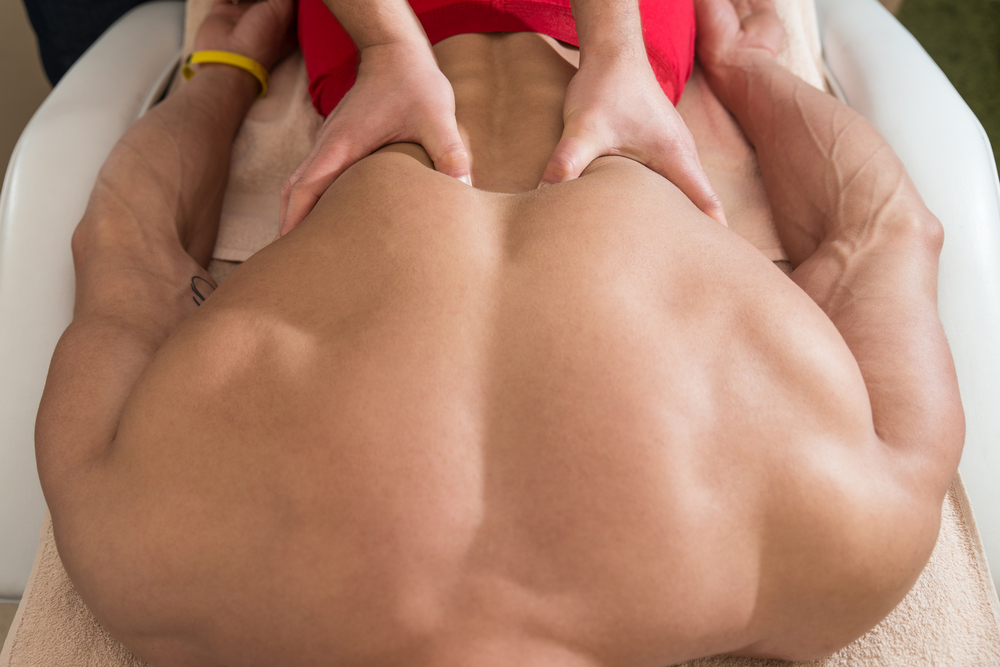
What Is Bodybuilder Massage?
“Bodybuilder massage” describes the context of the treatment rather than a separate massage modality.
A bodybuilder may book massage because high training volume has left certain areas feeling persistently tense, sore or difficult to move comfortably. The RMT then plans the appointment around the client’s program rather than following a generic full-body routine.
Before treatment, tell your RMT:
- What you trained most recently
- What you are training next
- Whether you are in a building, deload or contest-preparation phase
- Which exercises or positions feel restricted
- Whether deeper treatment normally leaves you tender
- Whether you have an upcoming posing session, heavy workout or competition
Two lifters with the same complaint may need different appointments. A client training legs tomorrow has different considerations from someone with three recovery days before the next lower-body session.
Why Bodybuilders Book Massage Therapy
Bodybuilding exposes the same muscles and movement patterns to repeated, progressively increasing loads. Normal training soreness may settle, but some areas can continue to feel tense, sensitive or restricted between sessions.
Bodybuilders commonly book massage to address:
- Muscular tension associated with repeated pressing, pulling, squatting or hinging
- Areas that feel uncomfortable during exercise setup or movement
- Perceived soreness during high-volume training blocks
- Short-term limitations in comfortable range of motion
- Forearm and grip fatigue from pulling exercises
- Neck, shoulder or back tension associated with lifting and posing
- General relaxation when training, work and contest preparation are creating additional stress
Massage may help an area feel more comfortable, but it does not replace progressive programming, adequate food, sleep, load management or rehabilitation when an injury is present.
How Your Training Split Guides the Appointment
A bodybuilding massage should account for the tissues being loaded across your current program. The areas requiring attention will depend on your exercises, weekly volume, technique, recovery and individual history.
After Pressing Workouts
High-volume bench pressing, overhead pressing and accessory work may leave the pectoral muscles, anterior shoulders, triceps and upper back feeling fatigued or tense.
Treatment does not need to focus only on the most painful or tightest location. The RMT may assess how the shoulder, chest, upper back and neck are moving together before deciding where focused pressure or assisted movement would be useful.
If you are pressing again shortly after the appointment, tell the therapist. An aggressive session around the chest, shoulders or triceps could create tenderness that affects your next workout.
After Pulling Workouts
Rows, pulldowns, pull-ups and heavy grip work can place considerable demand on the lats, posterior shoulders, elbow flexors and forearms.
A bodybuilder may notice forearm fatigue, difficulty
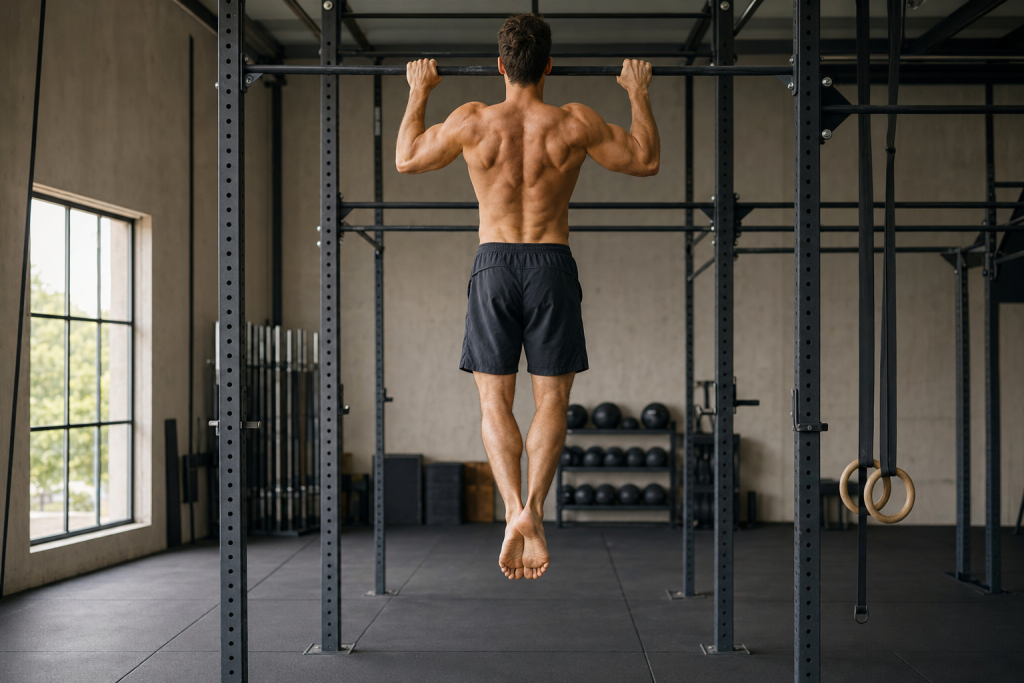
positioning the shoulder comfortably or persistent tension through the upper back. Treatment can be directed toward the areas carrying the greatest load while remaining mindful of the next pulling session.
Sharp elbow pain, sudden loss of grip strength or neurological symptoms such as persistent numbness require appropriate assessment rather than simply deeper massage.
After Squatting and Lower-Body Training
Squats, split squats, leg presses and related accessory exercises may leave the quadriceps, adductors, gluteal muscles, calves and hip rotators feeling fatigued.
Massage may be used to address muscular discomfort or short-term restrictions, but it cannot correct squat mechanics on its own. Training technique, exercise selection, usable strength and load management still matter.
If treatment is scheduled immediately after a demanding leg workout, heavily loaded tissues may be more sensitive. The RMT may use a more moderate approach or limit focused work to selected regions.
After Deadlifts and Hinge-Dominant Training
Deadlifts, Romanian deadlifts and other hinge exercises load the hamstrings, gluteal muscles, spinal erectors, lats and forearms.
General post-training fatigue is different from a sudden injury. Tell the RMT if symptoms began during a specific repetition, particularly if they involve sharp pain, bruising, swelling, weakness or a substantial loss of function.
Massage should not be used to disguise an injury so that you can continue loading it without assessment.
During Posing Practice and Contest Preparation
Posing involves sustained muscular contractions and repeated practice in positions that may already feel demanding. Some competitors experience cramping, fatigue or tension through the back, hips, shoulders and legs.
Contest preparation may also affect energy, sleep and recovery. Treatment intensity should reflect how the client is feeling rather than automatically becoming deeper as competition approaches.
If you are experiencing dizziness, unusual cramping, significant weakness, dehydration or illness, postpone the massage and seek appropriate health guidance. Massage is not a substitute for managing the medical and nutritional demands of contest preparation.
Is Deep Tissue Massage Good for Bodybuilders?
Deep tissue massage may be appropriate when a bodybuilder wants slower, focused work on persistent muscular tension or an area that feels difficult to move comfortably.
However, deep tissue massage does not mean applying the therapist’s maximum pressure. “Deep” refers to how the therapist approaches the relevant tissue layers, not how much discomfort the client can tolerate.
Excessive pressure may cause guarding, bruising or treatment-related soreness without producing a better result. This becomes especially important when the client must return to heavy training soon afterward.
For more information about pressure selection, read: Understanding Deep Tissue Massage: Why the Deepest Pressure Isn’t Always Best
Muscular Size Does Not Determine Pressure
A heavily muscled client does not automatically require more pressure.
Muscle size, treatment tolerance, current fatigue, previous injuries and the location being treated all influence what feels appropriate. Some large, well-trained clients are very sensitive after high-volume training, while others
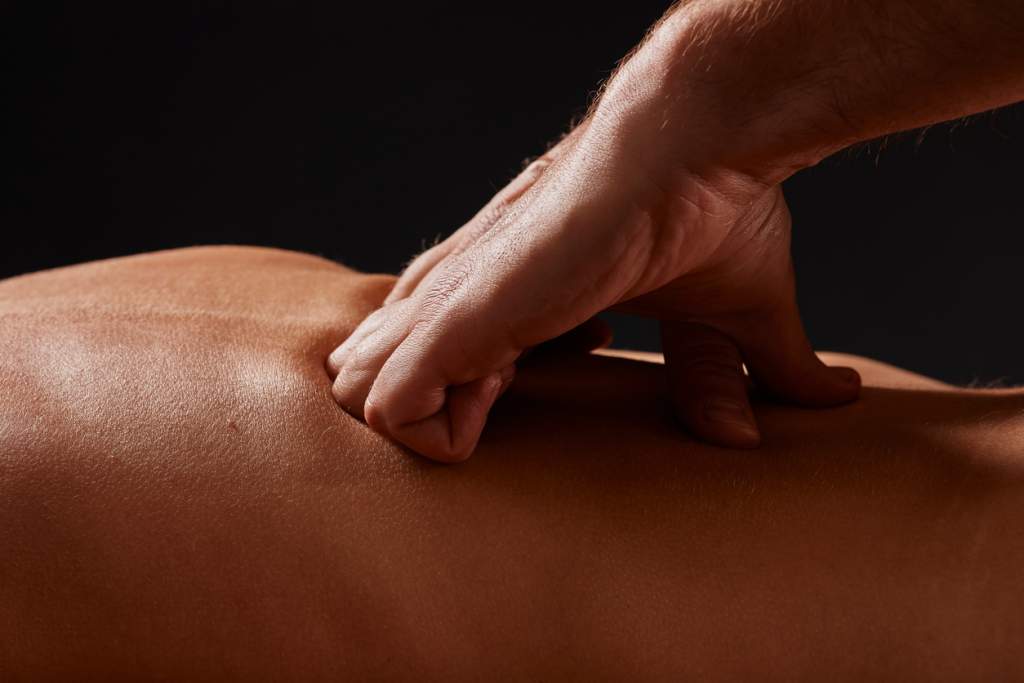
tolerate focused pressure without prolonged tenderness.
Useful pressure should allow the therapist to work without forcing the client to brace against every technique.
Techniques That May Be Used
A bodybuilder massage may combine several approaches. The techniques selected should relate to the client’s presentation and schedule rather than being included simply because they sound advanced.
Swedish Massage and Compression
General Swedish massage techniques and compression may be used to begin the appointment, assess tissue sensitivity or provide broader treatment following a demanding training block.
Not every session requires highly localized work. A more general approach may be appropriate when the client feels globally fatigued or is close to another heavy workout.
Focused and Deep Tissue Techniques
Slow, focused pressure may be used around areas of persistent muscular tension. The therapist can adjust the pace, depth and duration according to the client’s response.
Deep treatment should not be described as mechanically breaking up adhesions, forcing muscles into alignment or removing scar tissue.
Myofascial and Trigger-Point Techniques
Myofascial techniques and sustained pressure may be incorporated when an area feels restricted or sensitive.
These methods may temporarily change how tension or movement is perceived, but they do not permanently remodel the body during a single appointment.
Pin-and-Stretch Techniques
Pin-and-stretch techniques combine directed pressure with active or assisted movement. Functional Range Release is one example of this type of treatment.
The RMT may use these techniques when movement is relevant to the concern, such as discomfort during shoulder positioning, hip movement or ankle motion. The technique should remain controlled and should not reproduce sharp pain.
Assisted Stretching and Joint Mobilization
Assisted stretching or joint mobilization may be used to explore comfortable movement and address short-term stiffness.
An immediate increase in range of motion does not automatically mean that the lifter has strength and control throughout that range. Sport-specific warm-ups and progressive training remain necessary.
Cupping and Instrument-Assisted Techniques
Cupping or instrument-assisted soft-tissue manipulation (IASTM) may be used as adjuncts when appropriate.
These tools are not inherently more effective than skilled hands-on treatment, and visible marks do not prove that toxins or damaged tissue were removed.
The decision to include them should depend on the treatment goal, the client’s preference and
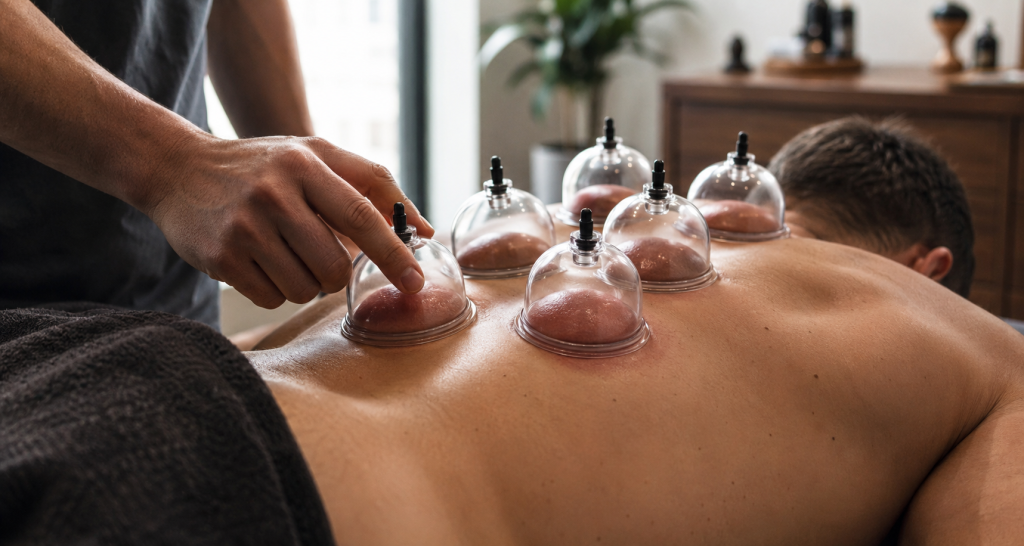
whether there are any contraindications.
Dry Needling
Dry needling may be considered for selected areas when it is appropriate and performed by a practitioner with the required training.
Because dry needling can sometimes produce temporary tenderness, the practitioner should know which body region you plan to train next and how much recovery time is available.
Can Massage Improve Muscle Growth?
Massage does not replace the training stimulus required for hypertrophy. Progressive resistance training, sufficient nutrition, sleep and recovery remain the primary drivers of muscle growth.
However, that does not make massage irrelevant to a bodybuilder.
Massage may help some lifters manage perceived soreness, muscular tension, stress or short-term movement restrictions. If treatment makes it more comfortable to return to normal training and recovery activities, it may provide a useful supportive role within the larger program.
The distinction is that massage supports the recovery environment. It does not replace the physiological stimulus created by resistance training.
For a closer examination of massage research, read: How Sports Massage Affects the Body: Research Explained
Cortisol, Recovery and Body Composition
Cortisol is particularly relevant to bodybuilders because it affects both muscle tissue and fat metabolism.
A temporary rise in cortisol during demanding exercise is a normal part of the training response. The greater concern is persistently elevated cortisol associated with excessive training stress, inadequate sleep, psychological stress, insufficient recovery or prolonged calorie restriction.
When cortisol remains elevated, it can increase muscle protein breakdown and make it more difficult to preserve or build lean tissue. Cortisol also influences appetite, glucose regulation, energy expenditure and how the body stores and distributes fat. Prolonged elevations have been associated with altered fat metabolism and a greater tendency toward abdominal fat accumulation.
This is why serious bodybuilders monitor more than sets, repetitions and macronutrients. Sleep quality, fatigue, mood, training performance and overall stress load can all indicate whether recovery is keeping pace with demand.
Massage may help influence this stress response. A 2005 review of massage therapy studies reported decreases in salivary and urinary cortisol following treatment, averaging approximately 31% across the populations studied. The review also reported increases in serotonin and dopamine.
Massage therefore has potential value beyond addressing muscular soreness or tension. Its effect on stress regulation may help support the physiological recovery environment that bodybuilders work carefully to maintain throughout a training cycle.
Cortisol Decreases and Serotonin and Dopamine Increase Following Massage Therapy
https://pubmed.ncbi.nlm.nih.gov/16162447/
The relationship between cortisol, appetite, energy expenditure and susceptibility to weight gain is explored further in this review:
Stress, Cortisol, and Obesity: A Role for Cortisol Responsiveness in Identifying Individuals Prone to Obesity
https://pubmed.ncbi.nlm.nih.gov/27345309/
The potential relationship between cortisol exposure, muscle strength and muscle mass is examined here:
Impact of Cortisol on Reduction in Muscle Strength and Mass
How to Schedule Massage Around Bodybuilding Training
The best timing depends on the workout, the treatment planned and your normal response afterward.
During Heavy Training Blocks
Focused treatment may be appropriate during a heavy block, but consider what you are training next. If deeper work normally leaves your quadriceps tender, scheduling it the evening before a demanding leg workout may be unhelpful.
Give the RMT your actual training split. “I train tomorrow” provides less useful information than “I have heavy squats tomorrow morning.”
After a Workout
Massage can be scheduled after lifting. However, the areas you trained may feel more sensitive, especially following unusually high volume or intensity.
Treatment does not automatically need to be deep simply because it follows a workout. Pressure can be adjusted to reflect the condition of the tissues and the amount of recovery time available.
Before a Workout
A familiar, moderate appointment before easy activity may be manageable. An aggressive or unfamiliar treatment immediately before heavy, explosive or technically demanding lifting presents a different situation.
Massage is not a replacement for warming up. If you must train afterward, tell the RMT before treatment begins and assess how you feel during your regular warm-up.
For more detailed guidance, read: Should You Get a Massage Before or After a Workout?
During a Deload or Off-Season
A deload or lower-volume period may provide more flexibility for focused treatment because there is often more time before the same muscles are heavily loaded again.
This can be a useful time to determine how your body responds to different techniques and pressure levels. It is still unnecessary to make the session excessively painful.
During Contest Preparation
Treatment during contest preparation should be familiar and planned around posing, training, travel and competition dates.
This is not the ideal time to suddenly request the deepest treatment you have ever received. A lighter or more moderate appointment may be more appropriate when recovery capacity is reduced or competition is approaching.
How Often Should Bodybuilders Get Massage?
There is no universal schedule requiring every bodybuilder to receive massage weekly, every two weeks or once a month.
Frequency depends on:
- Current training volume
- The reason for booking
- How long any perceived benefit lasts
- Whether treatment causes tenderness
- Proximity to important workouts or competition
- Budget and personal preference
An appointment is not automatically successful because it was intense or because you were sore afterward. If massage repeatedly interferes with training, the pressure, timing, treatment plan or frequency should be reconsidered.
Some bodybuilders book more frequently during demanding training blocks and less frequently when training volume decreases. Others use massage only when a particular area becomes persistently uncomfortable.
The useful schedule is the one that supports your training without creating another recovery problem.
When Massage Is Not the Right First Step
Normal post-training soreness, muscular fatigue and familiar tension may be reasonable concerns to discuss with an RMT.
Seek appropriate assessment when symptoms include:
- Sharp or rapidly increasing pain
- Significant swelling or bruising
- Sudden weakness or loss of function
- Difficulty bearing weight
- Persistent numbness or tingling
- Pain following a specific traumatic event
- Symptoms that continue to worsen despite reduced training
Massage may be included later in a broader recovery plan, but it should not delay diagnosis or appropriate rehabilitation.
For more information, read:
Massage for Sports Injuries: Techniques, Timing and When Assessment Comes First
FAQs
You Might Also Like
Bodybuilder Massage Should Support the Program
The goal of bodybuilder massage is not to prove how much pressure you can tolerate. It is to provide treatment that makes sense within your current training and recovery plan.
That may mean focused deep tissue work when several recovery days are available. It may mean a more moderate appointment after a demanding training week. During contest preparation, it may mean avoiding unfamiliar treatment that could leave you unnecessarily sore.
Massage may also support recovery through its effects on relaxation and stress regulation. For a bodybuilder managing training volume, nutrition, sleep, fatigue and body composition simultaneously, that is not a trivial consideration.
The appropriate session considers what you have already trained, what you need to do next and how your body usually responds.
Book a Performance-Focused Massage
When booking, include your current training split, the area you want addressed and the date of your next demanding workout or competition. This helps the RMT plan an appointment that supports your program rather than disrupting it.