 Skip to content

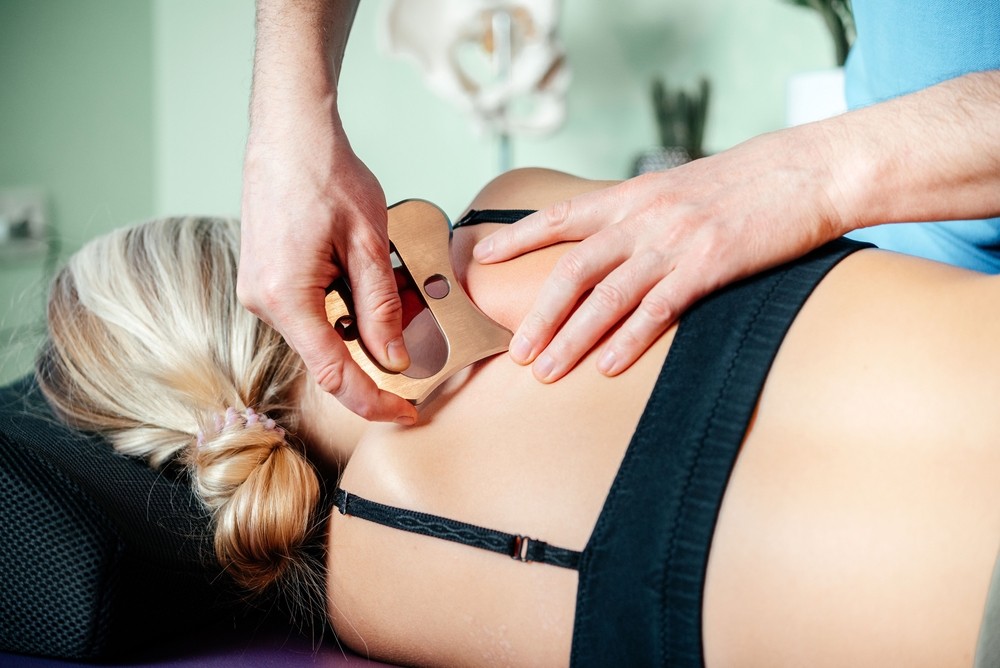
If you’re dealing with stubborn scar tissue, chronic tightness, or mobility restrictions that haven’t improved with traditional massage, IASTM may be the missing piece. At Excelsior Integrative in Midtown Toronto, we offer heated instrument-assisted soft tissue manipulation (IASTM) to target deep fascial restrictions and restore movement — without aggressive pressure.
How IASTM Massage Works
IASTM therapy isn’t just about pressure — it’s about precision. By using specially designed tools, your therapist can create targeted micro-stimulation in soft tissues. This controlled input signals your body to begin repairing and reorganizing the area.
The result? Improved tissue quality, better circulation, and more freedom of movement. Below are some of the key ways IASTM supports recovery and performance:
Scar Tissue Remodeling & Adhesion Mobility
Old injuries often lead to microscopic scar tissue and adhesions that can restrict movement and disrupt normal tissue glide. IASTM tools help apply controlled mechanical stress to these areas, stimulating a realignment of collagen fibers and encouraging more functional tissue organization over time. This promotes smoother, more efficient movement and reduces the discomfort caused by disorganized scar tissue.
Improved Fascial Glide & Circulatory Boost
Fascia, the body’s connective tissue web, can become sticky or restricted from poor posture, overtraining, or inactivity.
IASTM tools apply controlled shear and compression forces, which help release fascial tension while increasing local blood flow and lymphatic drainage. This supports inflammation reduction and enhanced tissue hydration — especially helpful for clients dealing with stiffness or chronic overload.
Stimulated Tissue Repair & Functional Remodeling
IASTM stimulates a mild, localized healing response — not to cause damage, but to promote remodeling.
This helps reactive or overused tissues regenerate more efficiently, especially in areas affected by tendinopathies, repetitive strain injuries, or poor movement mechanics. With consistent treatment and corrective movement, tissue function can improve noticeably.
Neuromuscular Reset & Trigger Point Desensitization
IASTM doesn’t just affect the tissue — it also stimulates the nervous system.
By targeting specific muscle groups and trigger points, tool-assisted therapy can help “reset” neuromuscular firing patterns and reduce hypertonicity. This makes it easier to retrain proper movement and reduce the pain or guarding associated with chronic tension or compensation patterns.
IASTM Massage vs. Fascia Blaster
You’ve probably come across the Fascia Blaster on social media or in big box stores. It’s a handheld consumer tool meant to help “break up” fascia at home. But here’s the thing — while it may offer some surface-level stimulation, it’s a far cry from what you’ll get in a clinical IASTM session.
Let’s break down the key differences:
Fascia Blaster: DIY, But Limited
The Fascia Blaster is designed for self-use, which means results can vary wildly depending on technique, consistency, and body awareness.
It’s often used to reduce the appearance of cellulite or stimulate circulation, but it lacks the specificity needed for actual clinical outcomes.
-
No assessment or treatment plan
-
One-size-fits-all design
-
Risk of overuse or bruising without guidance
-
Minimal long-term impact on functional mobility
Professional IASTM: Precision With Purpose
IASTM tools used in a clinical setting are built for far more than aesthetics — they’re part of a therapeutic plan designed to improve tissue quality, movement, and pain.
When used by a trained RMT or movement therapist, these tools help address specific issues based on your history, mechanics, and recovery goals.
-
Administered by trained professionals
-
Paired with movement therapy and manual techniques
-
Can include heated tools (like Heated IASTM) for deeper soft tissue release
-
Adjusted in real-time based on your feedback and clinical findings
At Excelsior Integrative, we often integrate professional-grade tools like Smart Tools, Red Light Therapy and Heated IASTM to deliver safe, effective treatments that aligns with your rehab or performance plan — not a wellness trend.
| Fascia Blaster (At-Home Tool) | Professional IASTM (In-Clinic Treatment) | |
|---|---|---|
| Who Uses It? | Self-treatment by individuals | Trained RMTs and movement therapists |
| Treatment Approach | Generic stimulation without assessment | Targeted treatment with full clinical plan |
| Tool Type | Plastic handheld tool, one-size-fits-all | Clinical-grade tools (Smart Tools, Heated IASTM) |
| Therapeutic Goals | Surface-level stimulation; aesthetic focus | Fascial glide, neuromuscular reset, recovery optimization |
| Customization | Limited — based on user skill | Fully tailored to your pain, posture, and movement goals |
| Safety & Effectiveness | May cause bruising or overuse injuries | Clinically controlled with therapist feedback |
Top Benefits of IASTM Massage Therapy
IASTM isn’t just another add-on — it’s a clinical tool that delivers targeted, measurable benefits. Whether you’re recovering from an injury or chasing performance gains, this technique supports better movement by addressing the deep, structural layers of dysfunction.
Here are some of the key benefits our clients experience:
Accelerated Recovery for Overused Tissues
IASTM promotes healing by improving local circulation, encouraging collagen realignment, and supporting faster cellular repair. This makes it especially effective for athletes and active clients dealing with repetitive strain, delayed-onset muscle soreness, or nagging post-injury tightness.
Lasting Relief From Chronic Tension & Pain
Persistent trigger points, fascial restrictions, and scar tissue buildup can limit function and increase discomfort. IASTM provides a different type of input than hands-on massage — helping to desensitize irritated tissues, restore glide, and reduce the strain caused by compensation patterns.
Improved Mobility, Movement Efficiency & Performance
When tissue quality improves, so does movement quality. IASTM helps unlock restricted areas that limit range of motion, correct dysfunctional loading patterns, and reduce tension that affects athletic performance.
Whether you’re returning to sport or just trying to move through daily life without stiffness, IASTM can help you move better — and feel better doing it.
When to Consider IASTM with Massage Therapy
Incorporating IASTM to your massage session may be a good fit if you’re dealing with:
-
Chronic tightness that doesn’t improve with regular massage.
-
Old injuries with lingering scar tissue.
-
Reduced range of motion or stiffness.
-
Postural issues related to fascia restrictions.
-
Recovery from sports injuries or overtraining.
It’s especially effective when combined with deep tissue massage, trigger point therapy, or athletic therapy.
Does IASTM Massage Hurt?
IASTM treatments are typically well-tolerated. You might experience mild tenderness during the session or light soreness afterward, similar to what you feel after a good workout. Most clients describe the sensation as “productive discomfort” — never sharp or overwhelming.
Your therapist will always work within your comfort level and explain each step of the process.
For clients with very sensitive tissues, we often combine IASTM with Smart Dynamic Cupping or assisted stretching to promote softer, gentler recovery.
FAQs
You Might Also Like
Book Heated IASTM Massage in Midtown Toronto
At Excelsior Integrative, we offer heated Instrument-Assisted Soft Tissue Manipulation (IASTM) as a targeted complement to your massage therapy session. This advanced technique helps improve tissue mobility, support collagen remodeling, and reduce fascial restriction — all without relying on excessive pressure.
Our Registered Massage Therapists are trained in multiple tool-assisted approaches and use heated instruments to deliver precise, clinically guided care tailored to your recovery goals.
Located in Midtown Toronto, we serve clients from Davisville, Eglinton West, Mount Pleasant, and surrounding neighbourhoods — helping you move better, recover efficiently, and address persistent tissue restrictions with a structured treatment plan.
Book your IASTM massage session today and experience how clinically guided, instrument-assisted therapy can support tissue recovery and long-term mobility.