 Skip to content


Sitting is the new smoking due to its severe health risks, including heart disease and diabetes. This article highlights the dangers of prolonged sitting and offers practical tips to help you reduce your sedentary time and stay healthier.
Key Takeaways
- Sedentary behaviour poses significant health risks, comparable to smoking, contributing to higher mortality rates and a range of diseases.
- Incorporating regular movement and glute-strengthening exercises into daily routines is essential for combating the effects of prolonged sitting.
- Addressing prolonged sitting through ergonomic adjustments, physical activity, and massage therapy promotes better posture and overall well-being.
The Sedentary Epidemic and Its Consequences
Physical inactivity is a global issue, with the World Health Organization highlighting it as the fourth leading risk factor for mortality worldwide. In 2016, an estimated 27.5% of the global population was physically inactive, leading to approximately 3.2 million deaths annually. This lack of movement contributes to a range of non-communicable diseases, including cardiovascular disease and metabolic syndrome. The consequences are staggering. Physical inactivity is linked to
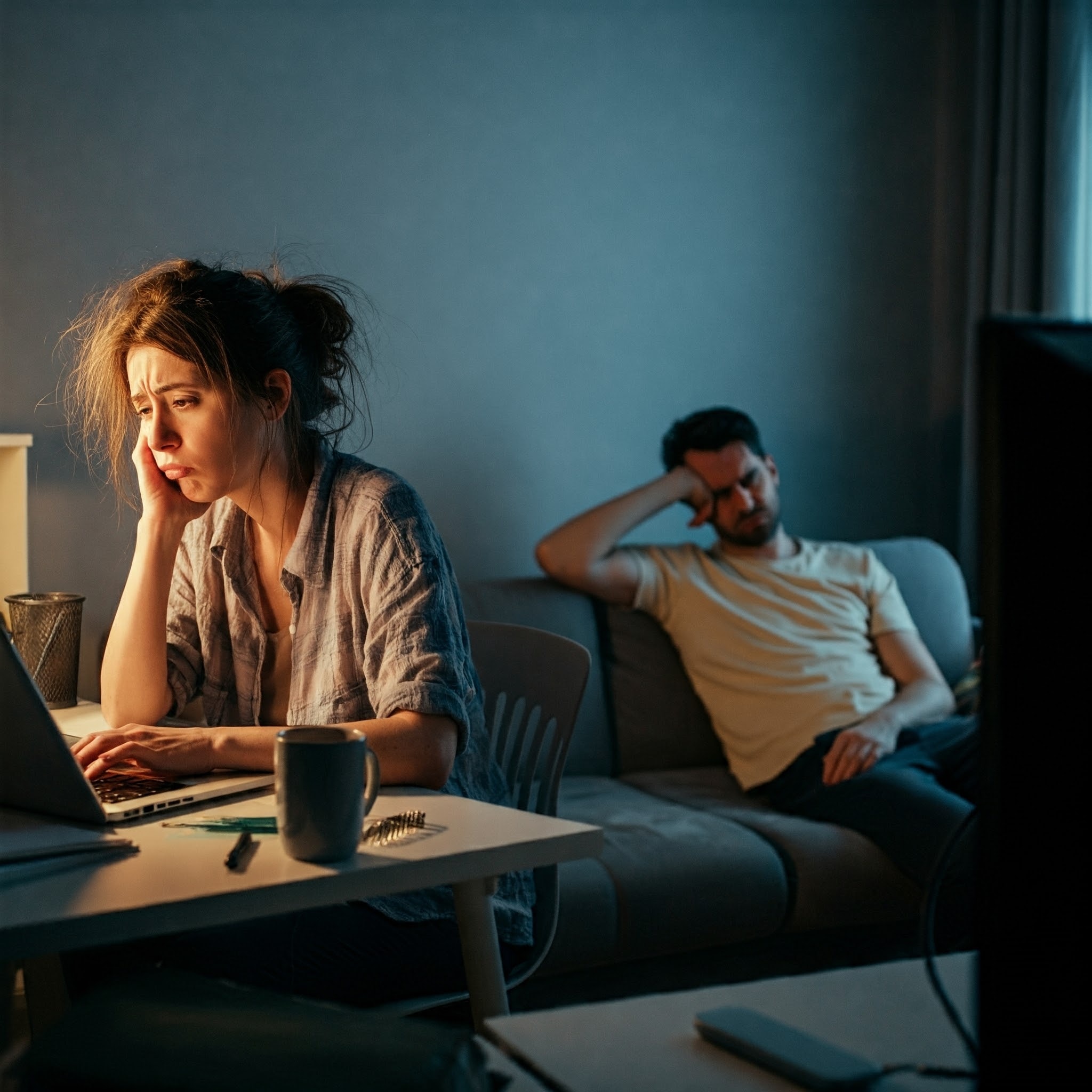
32 million disabilities per year worldwide. The WHO aims to reduce the global prevalence of physical inactivity by 15% by 2030. This goal is crucial as sedentary behavior was recorded to be two times higher in high-income countries compared to low-income countries in 2016.
The stakes are high, and action is needed to combat this growing epidemic.
Comparing Sitting to Smoking: Health Risks
The comparison between sitting and smoking might seem dramatic, but the health risks are alarmingly similar. Sedentary behaviour significantly raises the risk of developing diabetes and hypertension. Sitting for more than eight hours daily without incorporating physical activity poses a mortality risk akin to that of obesity and smoking.
People who engage in prolonged sitting face a 20-30% higher risk factors of all-cause mortality. The association with metabolic syndrome further underscores the danger. The gravity of these risks highlights the urgent need to address and mitigate the consequences of a sedentary lifestyle.
How Prolonged Sitting Affects Your Body
Sitting for extended periods places significant stress on the back and other parts of the body, leading to discomfort and pain. Poor ergonomics and posture exacerbate this issue, often resulting in damage to spinal structures and recurring back pain. Slouching while sitting can overstretch spinal ligaments and increase strain on spinal discs, further contributing to chronic back pain.
Maintaining a poor sitting posture for long periods can irritate nearby nerves and result in chronic discomfort. The cumulative effect of these factors can lead to severe structural problems, including spinal cord issues and lumbar spine discomfort.
Recognizing these risks and taking proactive steps to maintain a healthy posture and reduce sitting time is crucial.
The Connection Between Sitting and Mental Health
The impact of prolonged sitting extends beyond physical health, significantly affecting mental health as well. Higher sitting durations are linked to an increased risk of anxiety and depression. Factors like sleep disturbance, poor physical health, and social isolation contribute to these mental health issues.
Conversely, regular exercise has been shown to improve mental health by reducing anxiety and depressive symptoms. Taking regular movement breaks can alleviate stress and contribute positively to overall mental well-being. Reducing sedentary behavior benefits both body and mind.
Strategies to Reduce Sedentary Behavior
Reducing sedentary behavior involves incorporating regular movement and stretching into your daily routine. Taking breaks every half hour to stand, stretch, and walk helps keep muscles and joints relaxed, preventing the strain caused by prolonged sitting.
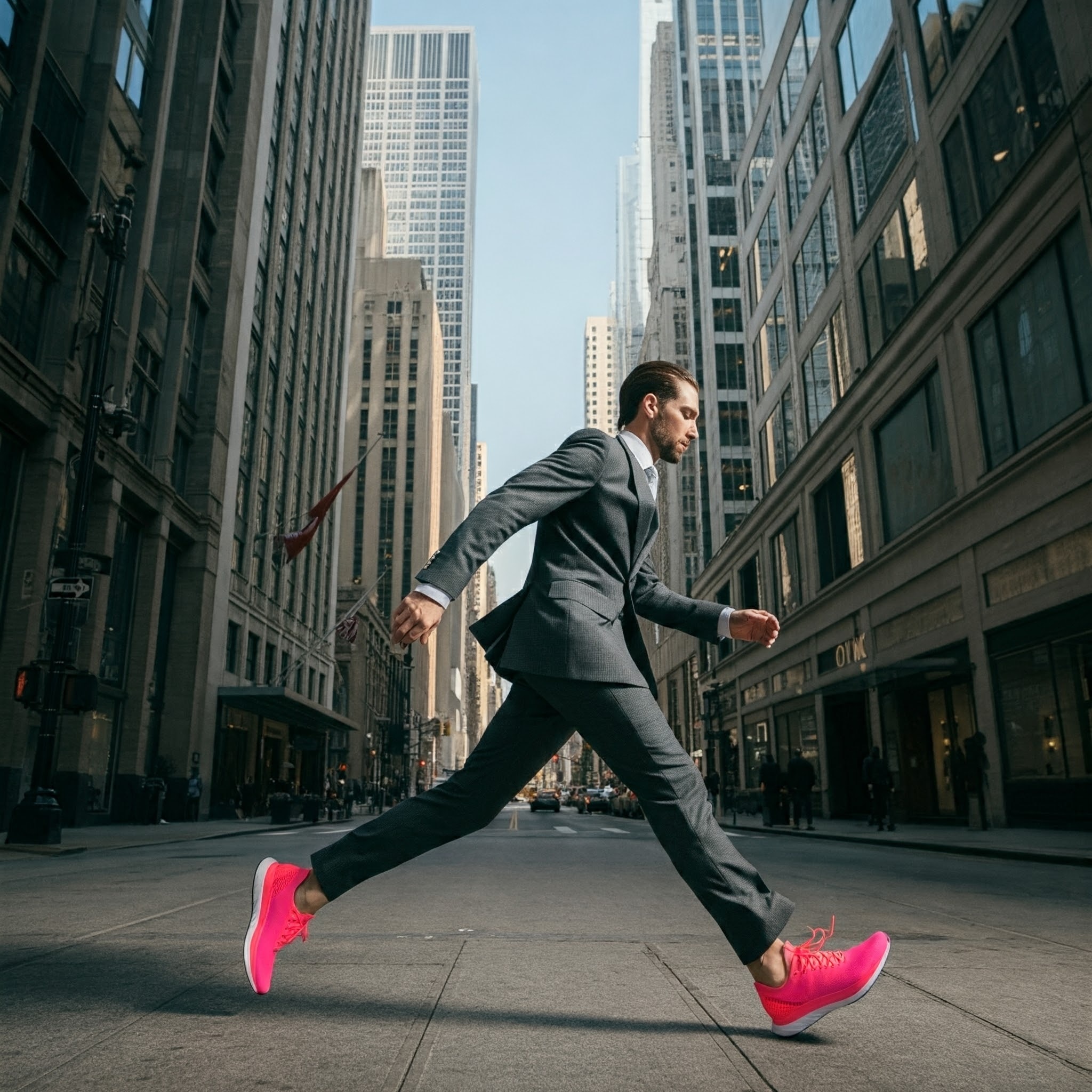 Regularly changing positions and taking short breaks can alleviate discomfort and reduce the risk of developing chronic pain.
Setting reminders to take breaks from screen time and using a standing desk can enhance productivity and reduce fatigue. Planning active time in the evenings and establishing time limits on sedentary activities can further encourage an active lifestyle. Small changes, like incorporating walking meetings or using stairs, can significantly enhance your overall activity level during the day.
Importance of Physical Activity for Combatting Sedentary Lifestyle
Physical activity is essential for countering the adverse effects of a sedentary lifestyle. Walking for just 20 minutes daily can reduce the risk of heart attack by 30-40%. Engaging in any level of moderate to vigorous exercise can lead to significant health improvements, including a reduced likelihood of developing chronic diseases like heart disease and type 2 diabetes.
Maintaining an active lifestyle helps strengthen bones and muscles, which is crucial as individuals age. Regular physical activity also enhances immediate well-being, contributes to better sleep quality, and mitigates the negative health effects associated with prolonged sitting. The benefits of moving more and sitting less cannot be overstated.

Glute Exercises to Strengthen Your Lower Body
Strong glutes are foundational for maintaining good posture and overall body strength. Glute exercises such as hip thrusts, glute bridges, and Bulgarian split squats are highly effective for targeting the gluteal muscles. The hip thrust, in particular, is excellent for glute hypertrophy due to its ability to optimize hip extension through a full range of motion.
The starting position for the glute bridge exercise involves lying on your back with knees bent and feet hip-distance apart. This exercise helps in activating the glute max and strengthening the lower body. The Bulgarian split squat not only strengthens the glutes but also stabilizes the body, making it a comprehensive lower body workout.
Engaging in glute-specific workouts can significantly enhance daily movements, making tasks like standing up or climbing stairs easier. Concentrating on squeezing your glutes at the peak of the movement can help activate them during exercises. This technique can enhance your overall effectiveness in targeting those muscles. Performing 3 to 4 sets of 6 to 8 reps for these exercises ensures optimal muscle engagement and strength development.
Incorporating glute workouts into your exercise routine is essential for balanced muscle development and overall health. It is recommended to perform glute workouts two days a week or integrate them into a full-body routine. For those looking for a structured plan, a 30-day butt workout challenge can be a great way to focus on glute strength.

For effective glute exercises, aim for three sets. Each set should consist of eight to 12 repetitions. This approach ensures that the glute muscles receive adequate stimulus for growth and strengthening, contributing to stronger glutes and better overall body function.
Promoting an Active Lifestyle at Work
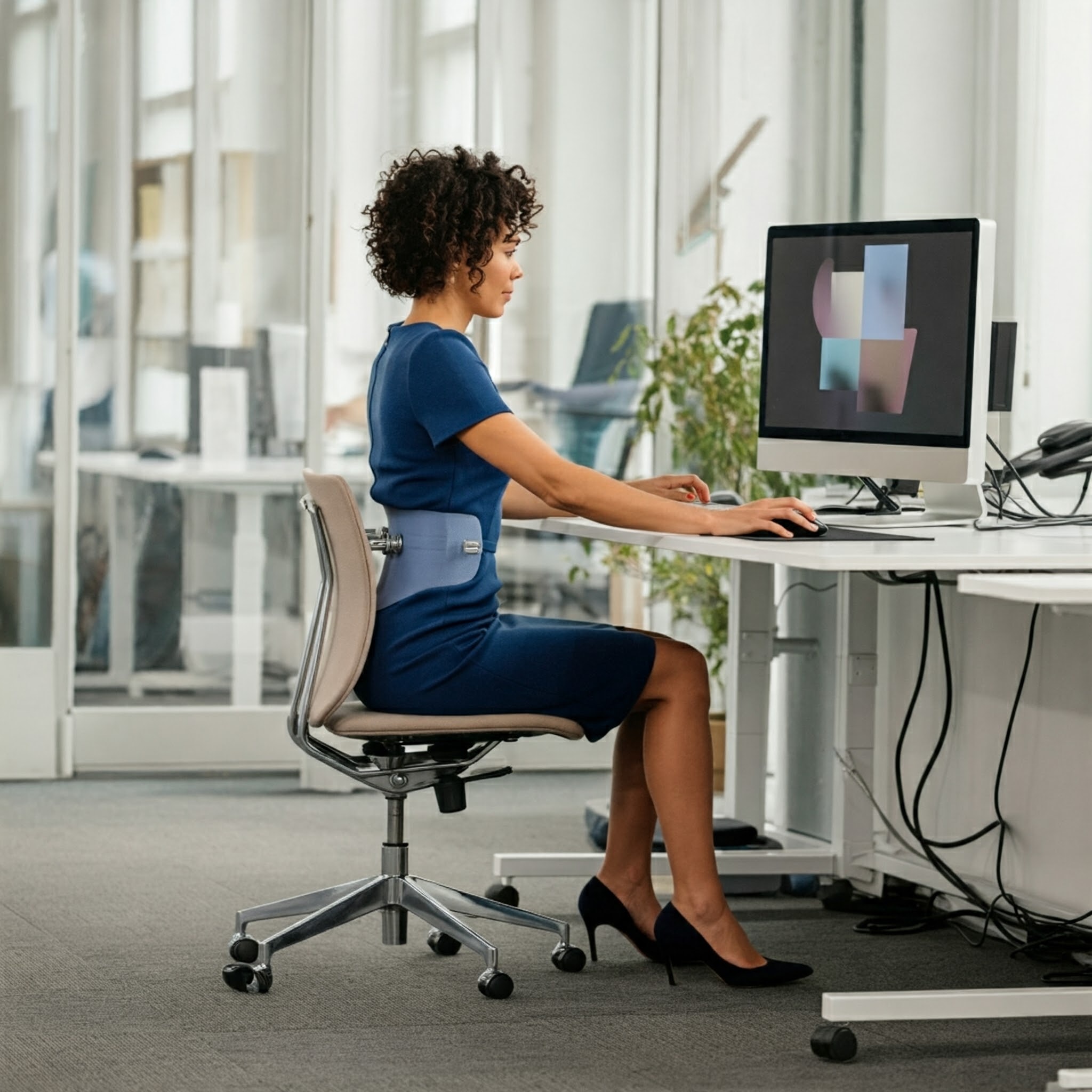
Staying active during work hours is crucial for combating a sedentary lifestyle. Regularly adjusting your chair and desk to maintain ergonomic posture can significantly alleviate lower back strain. Using lumbar support in your chair helps reduce the risk of slumping, which places additional stress on the lumbar spine.
Investing in ergonomic active chairs, like the Hag Capisco Chair, can facilitate better posture and encourage micro-movements, aiding overall health. Desk exercises, or ‘deskercises’, are simple movements that can be performed at your workspace to help reduce stiffness and increase blood flow.
Implementing small changes, such as standing every hour or using stairs, can significantly enhance your overall activity level during work hours, especially when combined with heavy lifting.
Addressing Structural Problems from Prolonged Sitting
Prolonged sitting can lead to structural problems such as lower back pain and poor posture, affecting overall health. Strengthening the glutes is vital for maintaining good posture, which can alleviate issues like lower back pain. Incorporating glute strengthening exercises into your routine can significantly improve posture and reduce discomfort from prolonged sitting.
Some of the most common structural problems that arise from prolonged sitting include spinal cord issues and lumbar spine discomfort. Addressing these problems through targeted exercises and ergonomic adjustments is essential for long-term health and well-being.
FAQs
You Might Also Like
Massage Therapy for Sitting-Induced Glute Inhibition and Postural Strain
Massage therapy can play a crucial role in alleviating muscle tension in the gluteus maximus and gluteus medius, promoting better activation and reducing the likelihood of dysfunction. Addressing gluteal weakness through massage may enhance overall muscular balance and stability in the lower body. Regular massage can help restore proper length-tension relationships of the glute muscles, which may be disrupted due to prolonged sitting.
Improving blood circulation to the glutes through massage can aid in muscle recovery and reduce the risk of atrophy from inactivity. Incorporating massage therapy can complement strengthening exercises by facilitating better muscle engagement during movement. Massage can alleviate pain and discomfort associated with gluteal inhibition, potentially improving overall mobility and function.
Summary
The evidence is clear: prolonged sitting is detrimental to both physical and mental health. By understanding the risks and implementing strategies to reduce sedentary behavior, we can significantly improve our overall well-being. Physical activity, especially targeted exercises like glute workouts, plays a vital role in counteracting the negative effects of a sedentary lifestyle.
Incorporating regular movement, ergonomic adjustments, and massage therapy can help address and prevent structural problems caused by prolonged sitting. Embrace an active lifestyle to ensure a healthier, happier future.